TickerMind Autotrade — Follow your portfolio, manage investments proactively
Markets keep moving while you are busy. Following several stocks, keeping positions up to date and responding to changes requires time, concentration and discipline.
TickerMind Autotrade was developed to reduce that workload.
After more than two years of development, TickerMind has recorded positive results and continues to improve through operation. The system aims for a minimum profit target of 5% for each stock invested in, alongside active position management intended to improve cost basis and seek recovery opportunities for positions facing adverse market conditions.
Automating monitoring and execution
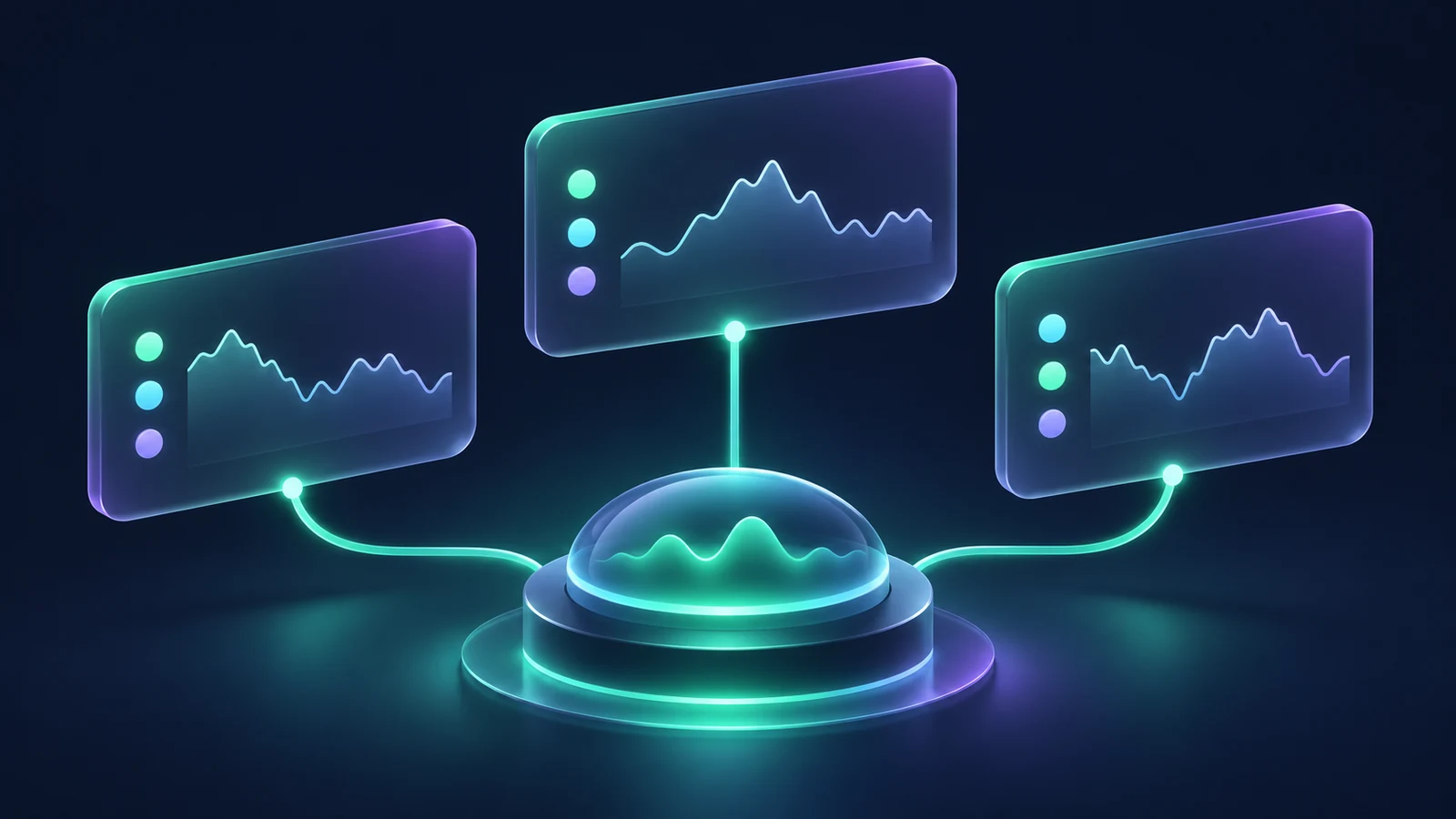
A single trade can be handled manually. Maintaining consistent monitoring and execution across multiple stocks, times and changing states is a larger challenge.
TickerMind brings market data, position management and trade execution into one system. Repetitive tasks are automated according to configured conditions, reducing reliance on manual actions and momentary decisions.
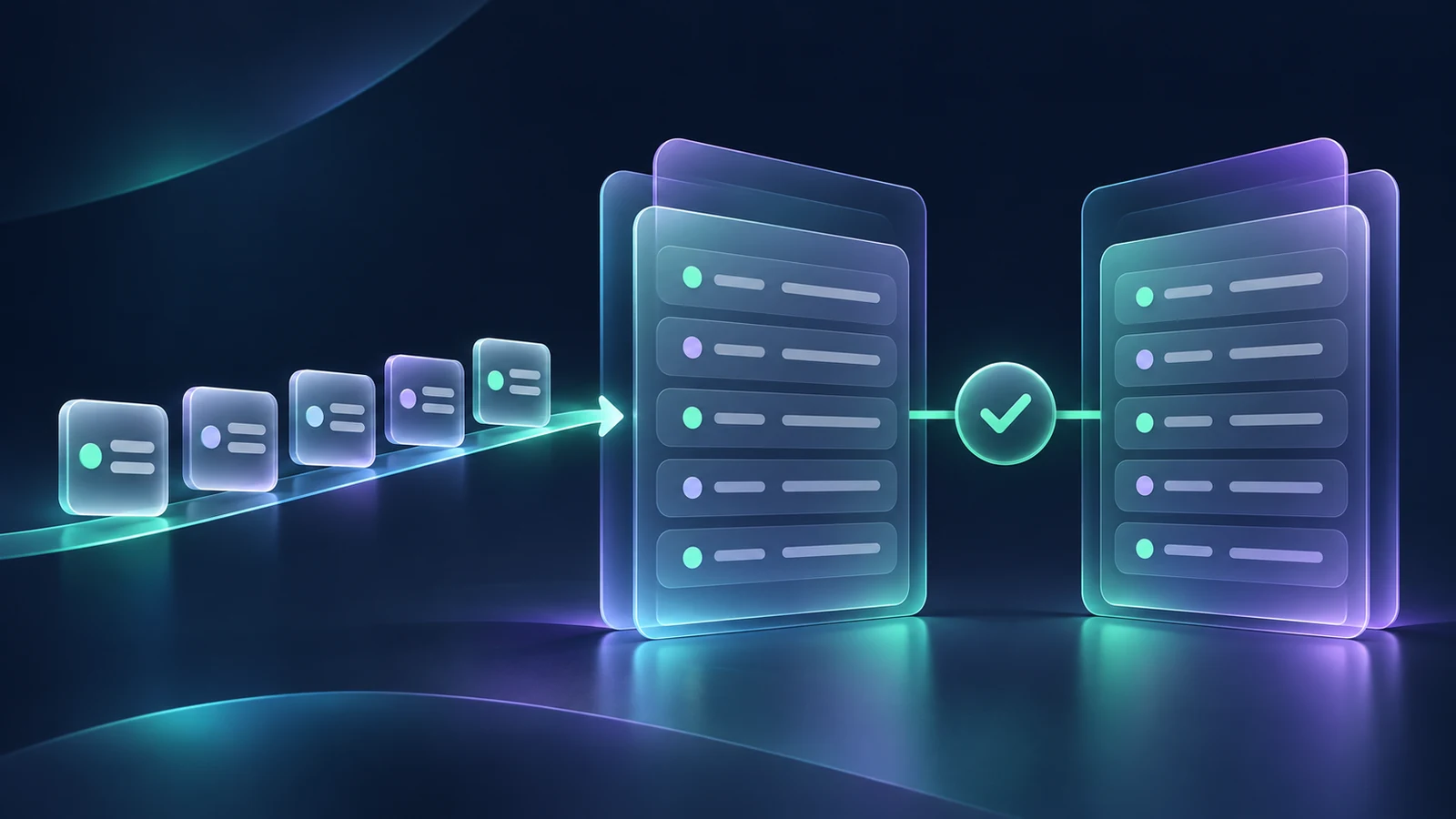
Trading activity is recorded and reconciled, providing a basis for reviewing operations, evaluating results and making further improvements.
Focus on objectives, spend less time monitoring manually
TickerMind is designed to sustain a systematic investment process. Instead of manually updating every change in a portfolio, operators can devote more attention to evaluating performance and investment direction.
The system continues to be upgraded to better support data processing, position management and operational requirements.
Working together: demo, agreement and payments
Review a demo before deciding to proceed. The first payment is due only after you approve the demo and both parties sign the service agreement.
For custom Autotrade development or deployment projects, the demo helps check the agreed operating workflow. This project process is separate from the Alpaca Paper trial request form.
- Discuss the requirements and demo scope: Clarify the task, sample data or materials, objectives and what the demo should show.
- Review the demo: Evaluate the agreed demo, discuss feedback and confirm a suitable implementation direction.
- Approve the demo, sign the agreement and pay 50%: After demo approval, both parties finalize the service agreement. You pay 50% of the contract value to begin the completion phase.
- Complete and check the work: Complete the remaining deliverables, test them and assess the result against the acceptance criteria in the agreement.
- Pay the remaining 50% and hand over: Once the work is completed and confirmed under the agreed terms, you pay the remaining 50%. Deliverables and instructions are handed over as specified in the agreement.
The demo scope and permitted use are agreed at the outset. The agreement sets out deliverables, timing, acceptance criteria, revision rounds, both payment milestones, source code or usage rights to be delivered, and support arrangements. Both payments are calculated from the agreed contract value.
Experience TickerMind before considering live trading
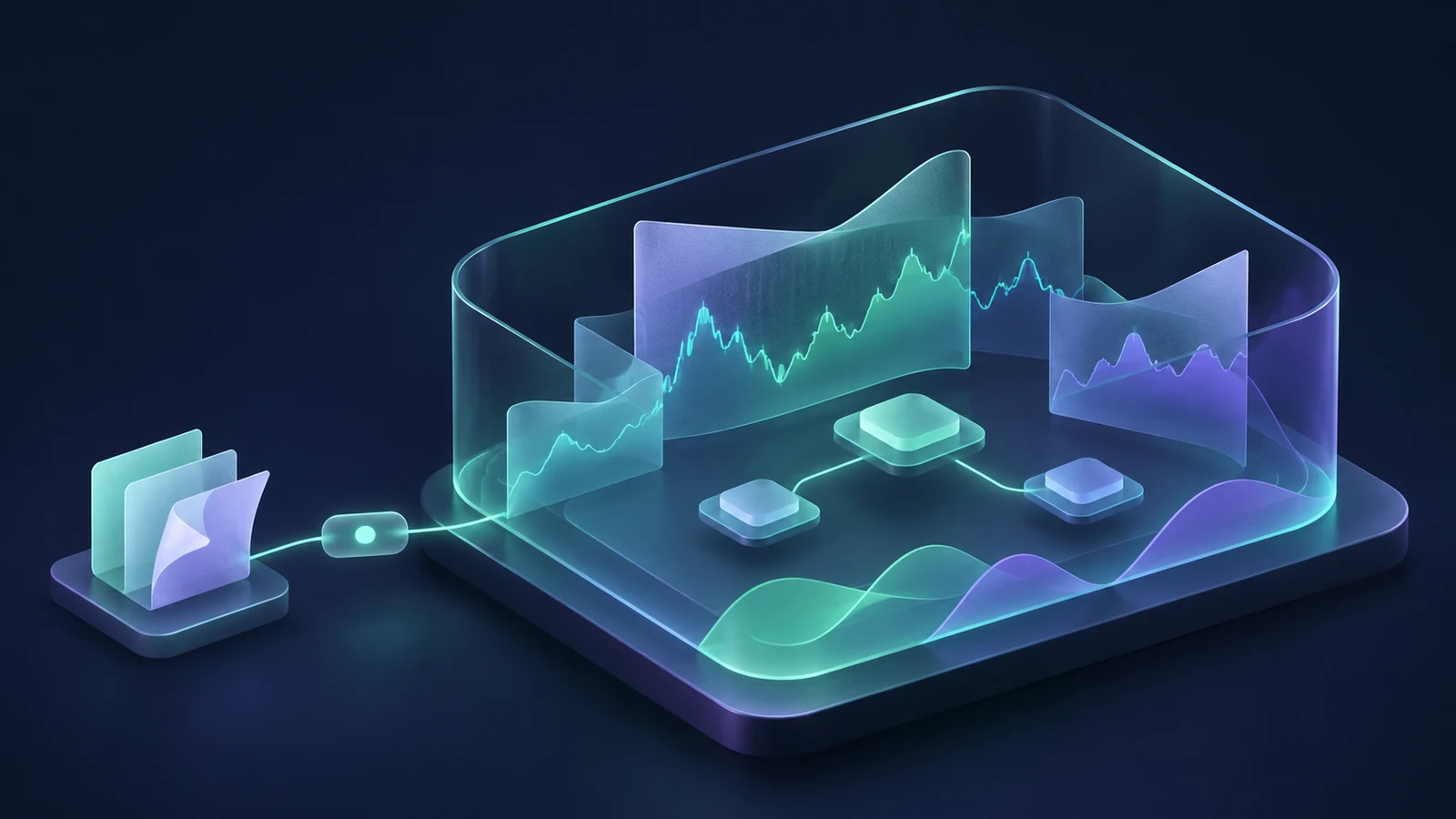
A practical way to understand a system is to observe it in action.
You can request a TickerMind trial with an Alpaca Paper account using simulated funds. During the trial, you can follow trading activity, observe position management and review the results recorded in the simulated account.
This is an opportunity to assess whether TickerMind fits your needs before considering the next step.
Request an Alpaca Paper trial ↗
parallaxtickermind@gmail.com
A minimum profit of 5% per stock is an investment target, not a guaranteed outcome. Trading can result in losses. Simulated results may differ from live trading and do not guarantee future returns.